
Bone Health (especially post-30!)
TL;DR
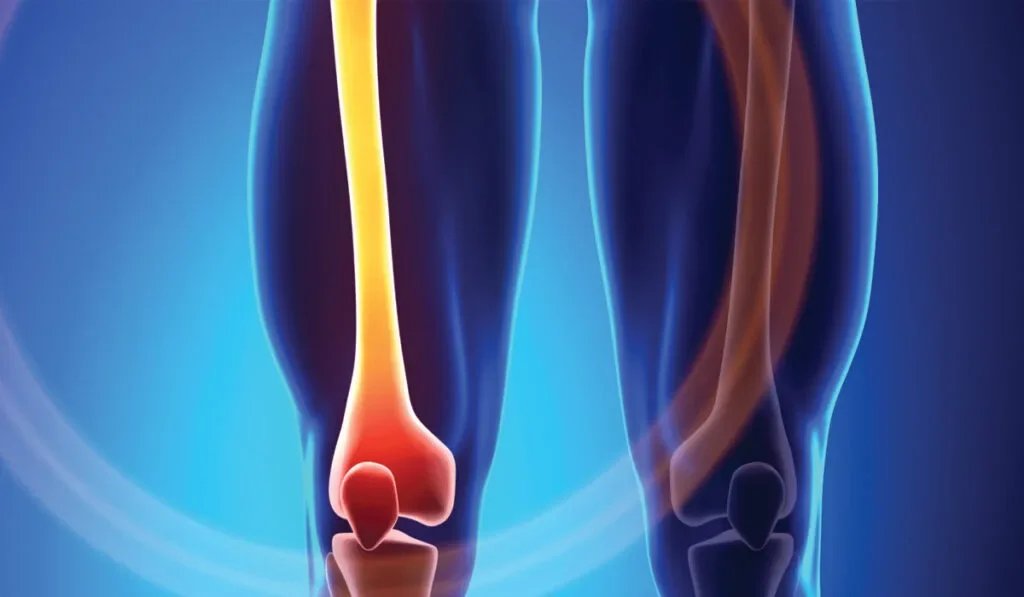
Bone density starts to decline from around age 30. This is not ideal (!) because, left unchecked, reduced bone density will lead to weaker, more fragile bones, which significantly increases the risk of fractures and breaks from even minor falls or impacts in later life. The best way to reverse the decline is through lifting heavy and taking impacts (jumping and landing).
What the Research Says Works
There are lots of different training modalities in the fitness world, but I’m taking a ruthless approach and breaking down some of the more popular options for you - this isn’t about what you enjoy doing, it’s what actually has a positive impact on bone mineral density, and what doesn’t, according to the science.
Resistance Training + Plyometrics → Most effective!
Meta-analyses show ~ 2–3 % gains at the hip and spine over 12–18 months.
Works by applying high-magnitude and high-rate mechanical strain.
Add impact movements (jumps and hops) for the best osteogenic response.
Kelley GA et al., 2001 (PMID 11138958)
Running → Helpful, but limited.
Maintains and modestly improves BMD, mostly in lower limbs.
Insufficient load for spine/upper body unless combined with strength training.
Hejazi K et al., 2022 (PMID 35896850)
Pilates → Potentially helps maintain BMD, but doesn’t build.
Small, low-quality studies suggest maintenance of BMD but no improvement.
Still a great addition to your physical activity, but not enough load or impact for bone growth.
Oliveira RG et al., 2022 (PMID 35187524)
Yoga → Very small or null effect.
Minimal changes in BMD; might help with balance and fall prevention.
Possibly a starting point for older, more frail individuals, looking to start some physical activity.
Fernández-Rodríguez R et al., 2021 (PMID 33961670)
Cycling / Swimming → Not osteogenic at all.
Non-weight-bearing; often associated with lower BMD compared to weight-bearing peers.
Excellent for cardiovascular health, just not for bone strength!
Abrahin O et al., 2016 (PMID 27476628)
The Bottom Line
All movement is good, but not all movement is equal for your bones. Bones thrive on load, impact and variability. If your training never challenges those things then age associated bone loss, post-30, continues.
Do what you love - but add some load and impact too.
I hope that was useful, I’d love to hear from you if you took something from this!
